Thinking about moving to Greensboro but not sure which neighborhood fits your everyday life? You have plenty of great options near the city’s core, each with a different rhythm, housing style, and level of walkability. This guide breaks down what daily life looks like in Greensboro’s established neighborhoods so you can picture your morning coffee run, your commute, and your weekend plans. You will learn how homes compare, what trade-offs to expect, and where each area shines. Let’s dive in.
Day-to-day life in Greensboro’s core
Greensboro’s core neighborhoods balance city convenience with tree-lined streets and community parks. You will find smaller commercial nodes for coffee, brunch, and errands alongside quick drives to larger shopping corridors. Downtown anchors arts and entertainment, while nearby districts offer a quieter residential feel.
Outdoor time is easy to build into your routine. Neighborhoods like Fisher Park and Lindley Park weave green space into the block pattern, and you are a short drive from signature destinations managed by the city’s park system. Explore gardens, playgrounds, and event spaces through the city’s listings from Greensboro Parks & Recreation. On weekends, many residents head to local gardens or trail systems for a low-key reset.
Arts, dining, and events tend to cluster downtown along Elm Street, with smaller music and gallery venues near the universities. The Greensboro Coliseum Complex draws bigger shows and games, while university calendars add concerts, theatre, and lectures that spill into nearby streets.
Getting around is straightforward. Many residents drive, and interstates and regional arterials connect you to the broader Triad. Transit is strongest in and around downtown and the university corridors. You can review coverage and timetables on the Greensboro Transit Agency routes. Greensboro also has an Amtrak station for regional trips and access to Piedmont Triad International Airport for flights.
For families, core neighborhoods are served by Guilford County Schools, and there are private and faith-based options nearby. Assignments can change from block to block, so you will want to verify zones and performance details directly with Guilford County Schools before you buy.
Neighborhood snapshots
Fisher Park
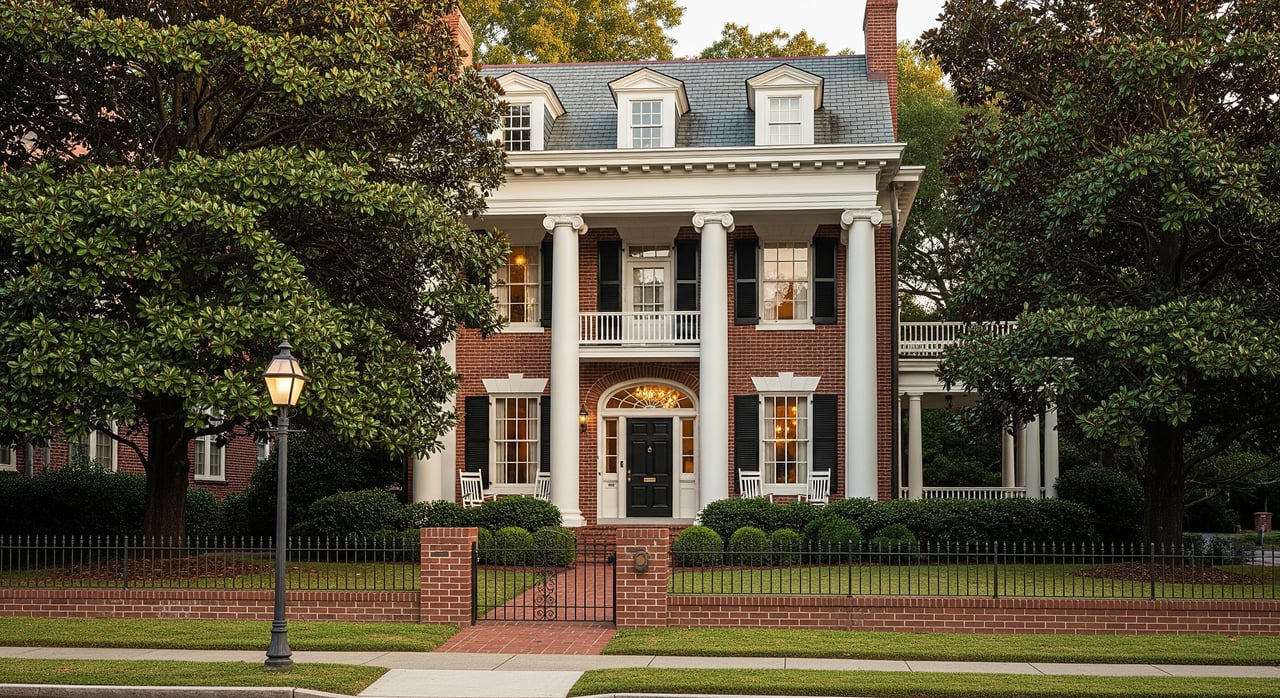
If you love historic architecture and a leafy setting close to downtown, Fisher Park is a standout. Early 20th-century homes line walkable streets, with Craftsman bungalows, Colonial Revival, and Tudor styles that have been carefully maintained or restored. The neighborhood association is active, and the park itself creates a natural gathering point for jogs, dog walks, and community events.
Daily life here often includes a short stroll to coffee or dinner along Elm Street and quick access to downtown offices and cultural venues. Homes tend to sit on moderate to larger lots for the urban core, which means room for outdoor space without long drive times.
Lindley Park
Lindley Park brings a friendly, residential pace with bungalows, cottages, and thoughtful renovations. You will see long-time residents and young families sharing the sidewalks, plus a steady calendar of neighborhood happenings. Streets are walkable, and UNCG is nearby, which adds energy without overwhelming the residential feel.
Expect easy access to parks and small business clusters for your everyday needs, and a short drive or bike ride into downtown. If you want neighborhood personality with a strong sense of place, Lindley Park delivers.
Irving Park and Starmount
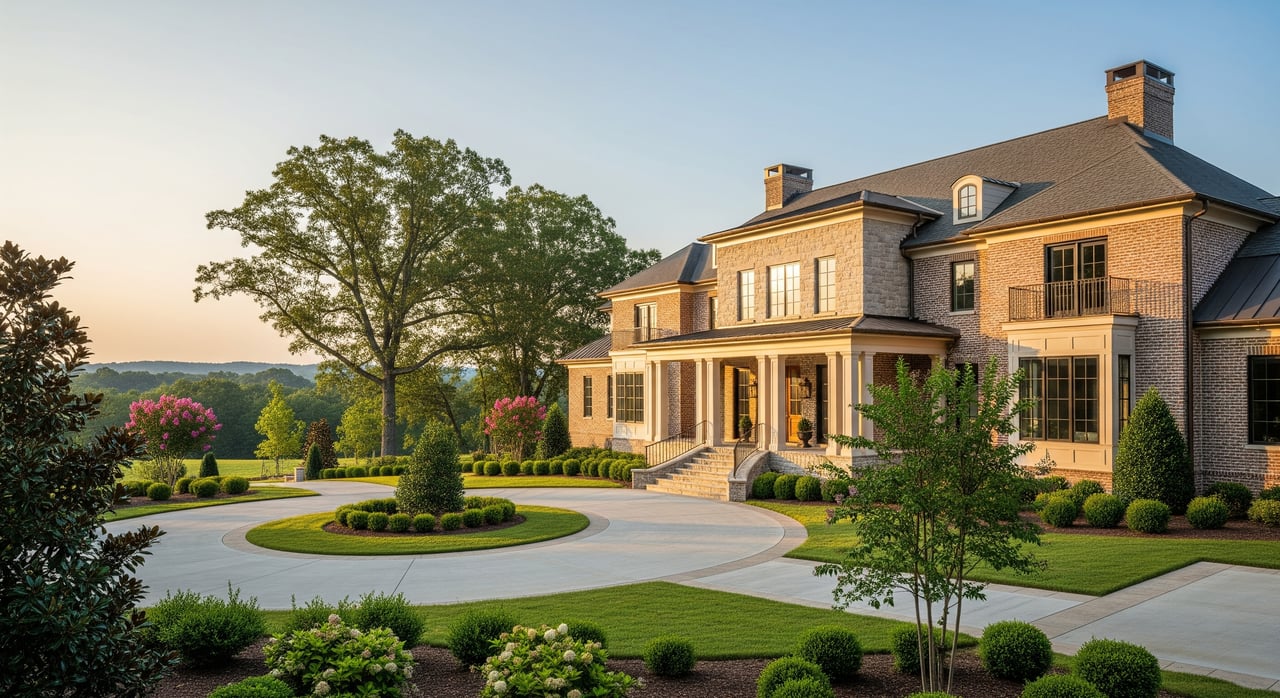
Looking for larger lots and an established, estate-style setting? Irving Park and Starmount offer classic revival-style homes from the 1920s through the mid-century period alongside newer upscale builds. Streets are quiet with mature landscaping and a private-club legacy that shapes the look and feel of the area.
Walkability inside the neighborhoods is lower due to lot sizes and street patterns, but you are a quick drive to central Greensboro and major corridors. These areas appeal if you prioritize space, privacy, and a polished residential environment.
College Hill and the UNCG area
College Hill is a historic district right next to UNCG, with Victorian and early 20th-century homes and a mix of owner-occupied properties and rentals. You will notice a pedestrian-friendly environment, an arts and music presence tied to the university, and convenient transit access.
Life here is compact and connected. You can walk to campus, grab brunch nearby, and reach parts of downtown on foot or by bus. If you want historic character and a close-in location, and you are comfortable with student energy in the mix, this area fits well.
Sunset Hills and Westerwood
Sunset Hills and Westerwood sit close to downtown with a true neighborhood vibe. Craftsman bungalows, mid-century ranches, and eclectic renovations create variety on the same block. Community events keep people involved, and local shops and parks are part of the everyday routine.
You will likely spend weekends walking to neighborhood spots, hitting nearby parks, and heading downtown for dinner or a show. These areas appeal if you want a balance of character, convenience, and a residential scale that feels comfortable.
Downtown and South Elm
If walk-to-everything living is your goal, downtown puts you in the middle of the action. You will find condominiums, lofts, apartments, and live-work options rather than single-family homes. Restaurants, galleries, performing arts, and events are right outside your door, and transit access is strong.
Expect lively evenings and weekend programming, plus a growing residential community. If you prefer a car-light lifestyle and the energy that comes with a city center, downtown is a fit.
Homes, budgets, and trade-offs
Core Greensboro neighborhoods offer a wide range of housing types. Historic districts like Fisher Park, College Hill, and Lindley Park feature early 1900s homes loaded with period details. Sunset Hills, parts of Glenwood, and Irving Park include mid-century ranches and cottages. Downtown housing is mainly condos, lofts, and apartments.
Price points span from entry or mid-tier condos and bungalows up to luxury estates in Irving Park and Starmount. Inventory shifts with market cycles, and micro-locations can affect value. For the most current picture, connect with a local advisor who watches the data daily and can guide you on comparable sales and active inventory.
If you are considering a historic property, be ready for different maintenance and renovation needs. Common projects include updating electrical service, replacing older plumbing lines, modernizing HVAC systems, roof work, and evaluating paint or flooring in pre-1978 homes. Historic-district status can add design review for exterior changes. You can explore local context through Preservation Greensboro and the City of Greensboro’s historic preservation resources on the city website.
Every neighborhood decision involves trade-offs. Here are the most common ones to weigh:
- Walkability vs yard size. Closer-in areas offer sidewalks and short trips, usually with smaller outdoor spaces. Larger-lot neighborhoods offer more privacy with a more car-centric routine.
- Historic character vs maintenance. Older homes deliver craftsmanship and charm, but you should budget for ongoing upkeep and possible system upgrades.
- Ownership mix vs turnover. University-adjacent areas and downtown have more rentals and seasonal movement. Many buyers prefer blocks with a higher share of owner-occupied homes for long-term stability.
- Commute convenience vs setting. Proximity to I-40 and I-85 or downtown can make daily travel easier. Estate-style neighborhoods may feel quieter and greener but rely more on driving.
A thorough home inspection is essential in older housing, and it is smart to get contractor estimates during due diligence if you plan renovations.
Commute and getting around
Most residents drive, and Greensboro’s interstates and U.S. highways make it easy to reach regional employment hubs. If you prefer transit or need a backup, review the Greensboro Transit Agency routes to see how service lines up with your daily routine. Downtown and the university corridors have the most coverage.
For regional travel, Greensboro’s Amtrak station offers service to nearby cities, and the metro area uses Piedmont Triad International Airport for flights. If parks and trails are high on your list, national resources like Guilford Courthouse National Military Park and city gardens are popular weekend destinations.
If safety is a consideration in your decision, you can review neighborhood-level data and trends using the Greensboro Police Department crime maps. Patterns vary by block, and downtown has both active revitalization and typical urban challenges, so on-the-ground context is helpful.
How to choose your best fit
Use this quick checklist to match your priorities to the right neighborhood:
- Your ideal day. Do you want a quiet street with a big yard, or do you want to walk to dinner and live music?
- Home style. Are you drawn to Craftsman details and original millwork, or do you prefer newer construction on a larger lot?
- Commute and transit. How often will you head downtown or jump on the interstate, and do GTA routes serve your routine?
- Schools and services. Confirm attendance zones and nearby services through Guilford County Schools and city resources.
- Renovation appetite. If a 1920s home speaks to you, plan for inspections and potential historic-district reviews via the city and Preservation Greensboro.
Work with a local guide
Choosing among Greensboro’s core neighborhoods is easier when you can walk blocks with someone who knows the rhythms, the renovation patterns, and the micro-differences that affect value. Our team pairs boutique, relationship-first service with deep local expertise across Fisher Park, Irving Park, Lindley Park, College Hill, downtown, and surrounding suburbs. If you are weighing trade-offs or want a curated shortlist that fits your lifestyle, we can help you get clear and confident.
Ready to find your fit or position a property for the right buyer? Connect with The Foy Real Estate Group to start a tailored search or Request a Free Home Valuation.
FAQs
Which Greensboro core neighborhood is most walkable for dining and entertainment?
- Downtown and South Elm offer the highest walk-to-everything convenience. Fisher Park, College Hill, Lindley Park, Sunset Hills, and Westerwood are also walkable to local spots and have quick access to downtown.
What should I expect when renovating a 1920s home in Greensboro?
- Plan for electrical, plumbing, HVAC, and roof evaluations, and check for potential lead paint or asbestos in older homes. Historic districts may require exterior design review. See Preservation Greensboro and the City of Greensboro’s resources for guidance.
How do I verify school assignments for a specific address?
- Check attendance boundaries and performance information directly with Guilford County Schools. Boundaries can vary by block, so verify details before you make an offer.
What are typical commute options from core neighborhoods?
- Most residents drive using regional interstates and arterials. Transit coverage is strongest downtown and near the universities. Review the Greensboro Transit Agency routes to map service to your schedule.
Is downtown Greensboro safe for residents?
- Safety varies by block and time of day, as in most city centers. Review neighborhood-level data on the Greensboro Police Department crime maps and visit at different times to understand the local pattern.
Are there rules for exterior changes in historic neighborhoods like Fisher Park or College Hill?
- Yes, many historic districts have design guidelines and review processes for exterior work. Consult the city’s historic preservation pages and Preservation Greensboro before planning projects.