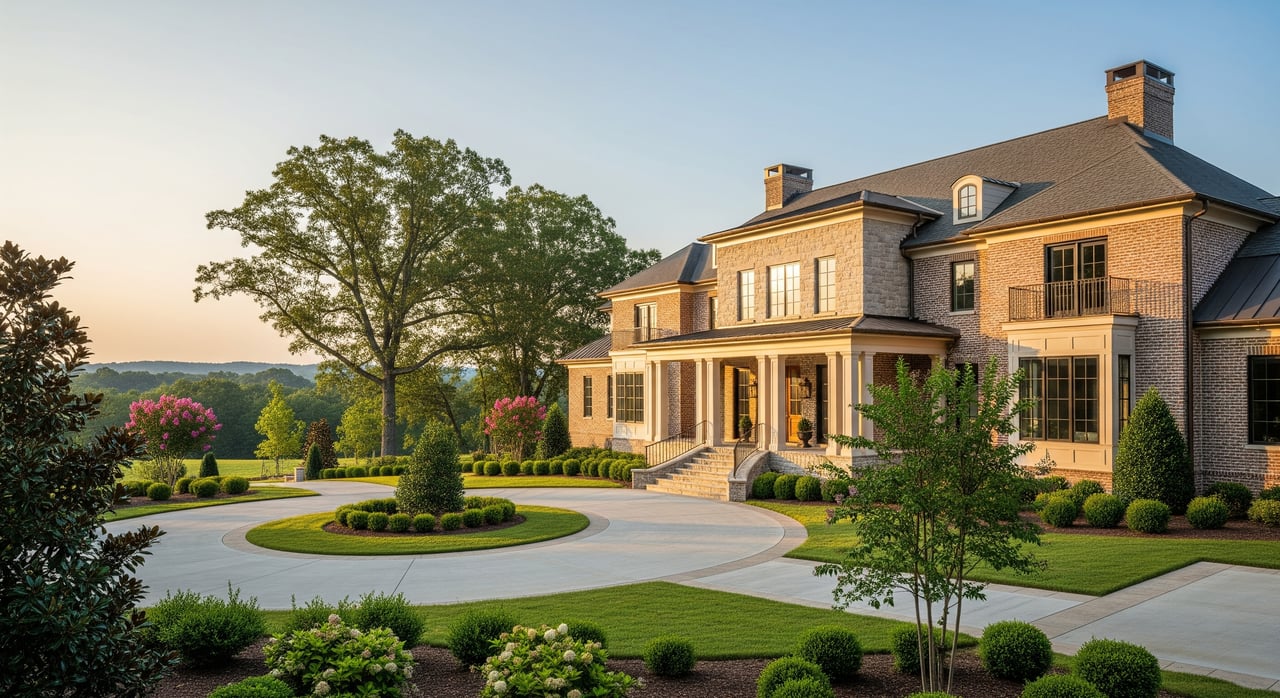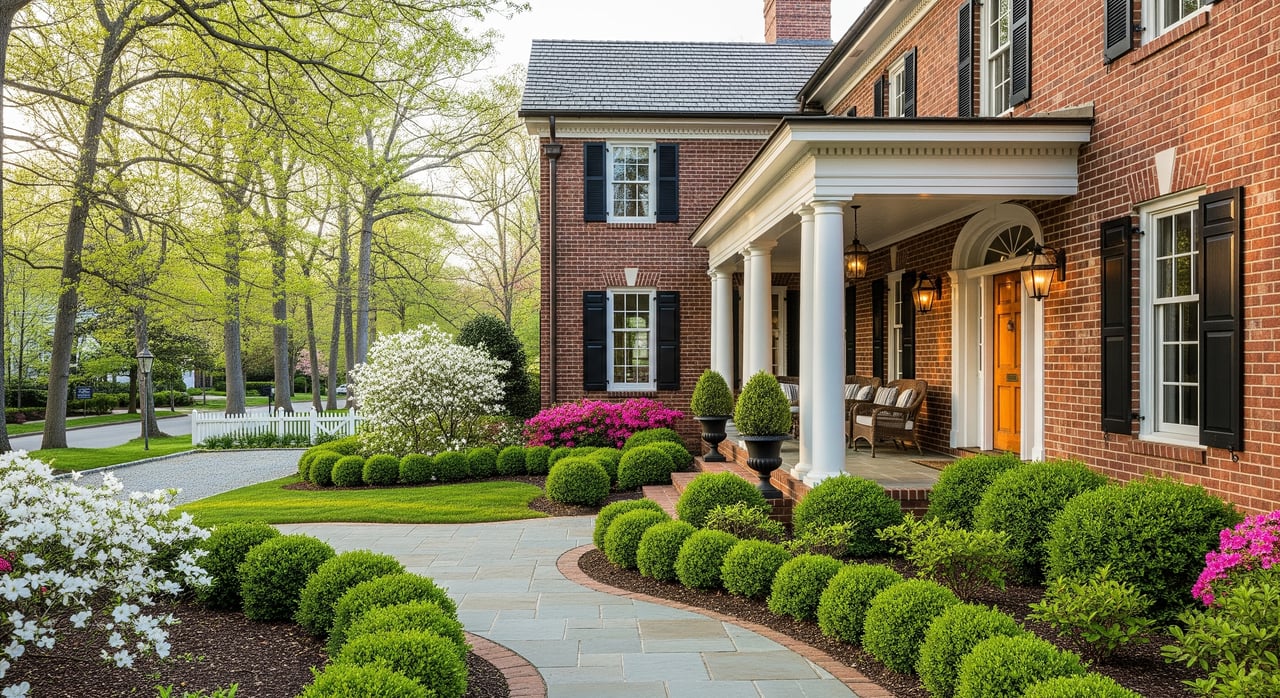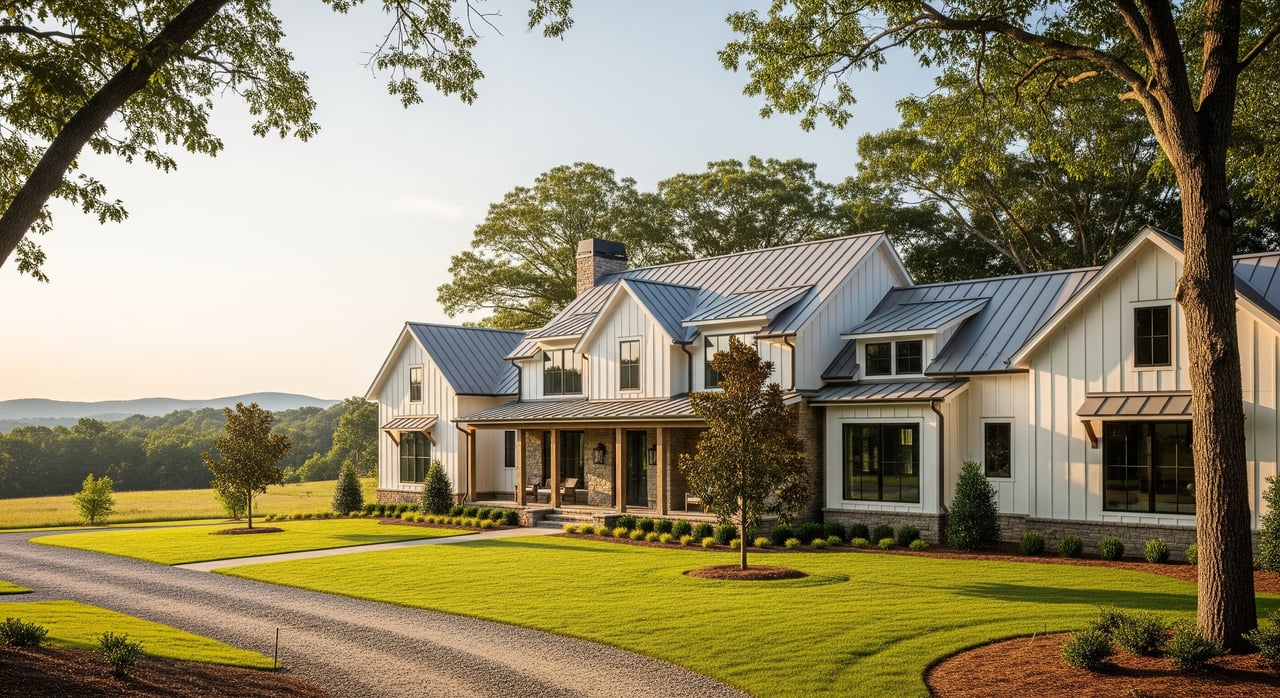
Picture your dream home on a quiet piece of land near Madison, with room to breathe and finishes you picked yourself. It is an exciting goal, but the path can feel complex if you have never built before. In this starter guide, you will learn how to find the right lot, what permits you will need, how septic and wells work, how to choose a builder, and how to plan your budget and timeline. You will also see the key local offices to contact in Rockingham County so you can move forward with confidence. Let’s dive in.
Start with your location
Before you do anything, confirm where the property sits. If the lot is inside the Town of Madison, you will work with town zoning and permitting. If it is outside town limits, your point of contact is Rockingham County. This single step determines who issues your permits, inspects your build, and sets rules such as setbacks and driveway access.
Be aware that there is also a city named Rockingham in Richmond County. That is a different jurisdiction. This guide focuses on Madison and surrounding areas in Rockingham County. If you discover your lot is in another county, call that county’s planning and permitting office for current rules.
Find the right lot near Madison
Choosing the right site has more impact on cost and timeline than any single design decision. As you explore acreage or rural lots around Madison, focus on the basics that determine feasibility and budget.
Prioritize access and driveways
Look at how you will reach the build site. Longer private drives, easements that cross other parcels, and culverts can add time and cost. If the driveway connects to a state or county road, you may need a separate permit for the entrance and any culvert.
Evaluate slope, soils, and tree cover
Topography and soil type shape your foundation and grading budget. Steep slopes, rocky soils, and heavy tree clearing can increase site work. A topographic survey helps your builder design a foundation that fits the land and avoids surprises.
Check utilities early
Confirm how you will handle water, sewer, power, and broadband. Many rural parcels near Madison rely on a well and septic system. If public water or sewer is available, ask how far it must be extended and what tap fees apply. An availability letter from local providers clarifies your options and costs.
Understand floodplains and wetlands
Learn whether the lot sits in a flood zone, near streams, or includes wetlands. These features can restrict your buildable area and add steps to permitting. If the site is near a stream or within a watershed like the Dan River basin, additional buffers or setbacks may apply.
Review covenants and easements
Recorded covenants, restrictions, or HOA rules can limit home size, outbuildings, and exterior materials. Identify any utility or access easements that reduce the build envelope. A boundary survey helps you confirm setbacks and a safe, legal building area.
Test and verify before you buy
Do not skip due diligence. A few key tests and documents can save you from costly issues later.
Order a soil and septic evaluation
If you plan to use a septic system, schedule a soil evaluation to confirm suitability. A failed perc test may require an alternative system that costs more, or it could make the site impractical for a conventional system. Rockingham County Environmental Health oversees septic permits and approvals.
Get a boundary and topo survey
A current boundary survey verifies property lines, setbacks, and easements. A topographic survey gives your builder the detail needed for grading and foundation design. Together, they protect you from encroachments or grading assumptions that blow your budget.
Confirm utility availability
Ask for written confirmation from the electric provider and any public water or sewer utility. If service must be extended, you will want a clear estimate and timeline before closing on the lot. This step also helps your lender understand the scope.
Complete a title search
Your attorney or title company should confirm clear title, any liens, and legal access to the property. Access issues can be costly to fix and are critical for construction and lending.
Permits, septic, and codes
Building a house involves several approvals that work together. If you plan ahead, you can keep your timeline on track.
Building permits and inspections
The Town of Madison or Rockingham County issues building permits depending on where your lot sits. You will submit construction plans, a site plan, and permit fees. Inspections follow a set sequence, including footings and foundation, framing, rough-ins, insulation, and final. You will receive a Certificate of Occupancy when all inspections pass.
Septic systems and wells
Septic permits and system approvals go through Rockingham County Environmental Health. Your approval is based on soil conditions, the proposed home’s size, and the system design. If your site needs an alternative septic system due to soil or water table conditions, plan for higher costs and more design work. For water supply, check county health and state well rules to understand well placement, construction, and testing.
Erosion and stormwater rules
North Carolina regulates land-disturbing activity to protect streams and neighboring properties. If your project will disturb one acre or more, you may need an erosion and sedimentation control plan and permit. Even on smaller sites, you should expect to manage runoff and install basic measures during grading.
Environmental buffers and flood areas
If your lot includes wetlands, streams, or floodways, you may face additional setbacks and review. Where needed, a wetland delineation can define what areas are off limits. Confirm these details early so your home and driveway align with the buildable area.
Choose the right builder
The right builder is a partner who fits your vision, budget, and process. Decide what level of customization you want, then vet companies carefully.
Know your build model
- Production: Preselected plans and finishes with fewer changes and a faster timeline.
- Semi-custom: Modify existing plans for a tailored result without full custom costs.
- True custom: Work with an architect and builder for full design flexibility.
- Owner-builder: Hire and manage subcontractors yourself. This path carries higher risk and effort.
Use a thorough vetting checklist
- Licensing and local registration in North Carolina.
- Proof of general liability and worker’s comp insurance.
- Portfolio of nearby projects and references from recent clients.
- Clear written warranty for workmanship and structural items.
- Lien waiver process that protects you and your lender.
- Documented change-order procedure and realistic schedule with milestones.
Understand contracts, allowances, and changes
Your contract should spell out scope, a detailed price, a draw schedule, start and target completion dates, and how delays are handled. Allowances set budget placeholders for items you will select later, like cabinets, countertops, lighting, and appliances. Put any scope change in writing with its cost and time impact, and sign it before work proceeds.
Finance your build near Madison
Custom builds use different financing than a standard home purchase. Talk with lenders who regularly handle construction lending in Rockingham County.
Lot loans
If you are buying land first, a lot-only loan can help you secure the property. These loans usually have shorter terms and higher rates than a standard mortgage. You can refinance into construction financing later when you are ready to build.
Construction-to-permanent loans
A single-close construction-to-permanent loan finances your build and converts to a long-term mortgage at completion. Many custom builders prefer this option because draws are tied to inspections and milestones.
Standalone construction loans
Some buyers choose a short-term construction loan and then close on a separate permanent mortgage at the end. This can add paperwork and costs, but it may be useful in certain cases.
USDA, VA, and conventional options
In eligible rural areas, USDA programs may support construction-to-permanent financing for qualified buyers. Veterans may access VA construction options. Conventional construction mortgages are also common through banks and mortgage lenders. In all cases, expect to provide detailed plans, a fixed-cost contract, your builder’s qualifications, and a draw schedule.
Set a realistic timeline
Every site is different, but a general sequence can help you plan and set expectations with your builder and lender.
- Lot search and due diligence: several weeks to a few months.
- Design and plans: 4 to 12 or more weeks depending on complexity.
- Permitting: 2 to 12 weeks based on jurisdiction and whether septic and well designs are required.
- Site work and foundation: 2 to 8 weeks, driven by soils and grading.
- Home construction: 6 to 12 months for many custom homes; complex designs or basements can take longer.
- Final inspections and Certificate of Occupancy: 1 to 4 weeks after punch list items are complete.
Build a smart budget
Separate your site costs from the house itself so you see the full picture. A clear budget helps you select the right lot and make informed design choices.
- Lot price and closing costs
- Clearing, grading, and driveway with any culvert work
- Septic design and installation or sewer tap fees
- Well drilling and pump system
- Foundation type and cost
- Utility extensions and meters
- Construction contract for the home
- Allowances for finishes and appliances
- Landscaping and exterior features
- Permit and inspection fees
- Contingency reserve of 5 to 15 percent of construction costs
Your step-by-step plan
Confirm jurisdiction. Identify whether your lot is inside the Town of Madison or in unincorporated Rockingham County.
Assemble your team. Engage a local real estate agent experienced with rural and acreage properties, a soils professional, and a reputable builder who works in the area.
Complete due diligence. Order soil and perc testing, surveys, a utility availability letter, and a title search before you commit to the lot.
Finalize design and contract. Work with your builder on plans, specifications, allowances, and the draw schedule your lender requires.
Secure financing. Choose a lot loan or construction-to-permanent loan and finalize lender conditions.
Submit permits. Apply for building, septic, well, and any erosion or driveway permits required by your jurisdiction.
Build and inspect. Follow the inspection schedule, document change orders, and track draw requests tied to milestones.
Close out and move in. After final inspections, obtain the Certificate of Occupancy, complete lender conversion if needed, and enjoy your new home.
Downloadable checklist ideas
Use this outline to create your own checklist for easy reference.
- Lot due diligence: boundary and topo surveys, perc test, floodplain review, recorded easements, utility availability letter, covenants
- Builder vetting: license, insurance, references, local portfolio, warranty details, lien waiver process, change-order policy
- Permits and pre-construction: building permit, septic permit, well permit, erosion control as required, driveway permit if applicable
- Budget snapshot: lot, site work, utilities, foundation, construction contract, allowances, contingency
- Timeline milestones: purchase, design, permitting, site work, framing, rough-ins, insulation, finishes, final inspections, Certificate of Occupancy
Quick glossary
- Perc test: A soil test that shows whether the ground can absorb wastewater for a septic system.
- Allowance: A placeholder budget for items you will select later, such as cabinets or lighting.
- Change order: A written record of a change to scope, price, or schedule after the contract is signed.
- Buildable area: The portion of the lot where you can build after considering setbacks and easements.
- Certificate of Occupancy: The document that allows you to live in the home after final approvals.
- Draws: Staged payments from the lender to the builder as work is completed.
- Easement: A legal right for others to use part of your property, often for utilities or access.
Ready to explore land and map out your build near Madison? You do not have to figure it out alone. Partner with a local team that knows Rockingham County’s process, acreage nuances, and the custom builder landscape. Connect with The Foy Real Estate Group to start your land search, plan due diligence, and take the next steps with confidence.
FAQs
What should I verify first when building near Madison?
- Start by confirming if the lot is inside the Town of Madison or in unincorporated Rockingham County, since this determines your permitting path and inspections.
How do I know if a lot can support a septic system?
- Schedule a soil and perc evaluation through qualified professionals and work with Rockingham County Environmental Health for septic permits and approvals.
Who issues building permits for Madison-area homes?
- The Town of Madison handles permits for lots inside town limits, while Rockingham County issues permits for unincorporated parcels in the county.
How long does a custom home typically take?
- After permits are issued, many custom builds take 6 to 12 months, with site conditions and design complexity influencing the timeline.
What financing is common for rural custom builds?
- Construction-to-permanent loans are common, while USDA and VA options may be available based on eligibility; lenders will require plans, a fixed-cost contract, and a draw schedule.
What are allowances and change orders in my contract?
- Allowances are budget placeholders for selections you will make later, while change orders document any scope changes along with their cost and time impact.
What site costs should I plan for beyond the house?
- Plan for clearing and grading, driveway and culvert, septic or sewer, well, utility extensions, erosion control, foundation, permits, and a contingency reserve.